
Filter by Letter
Tree
Size
Adaptability
Fall Color
Growth Rate
Native Habitat
Hardiness
Total results: 60


We first learned of this new cultivar at the Brooklyn Botanical Garden in NYC. They gave good reports of evergreen foliage, cold hardiness and an upright habit. Northern Bell is snowbird, quite happy to migrate south, and thrives in our Georgia nursery.
Show moreView Detail

Sweet Thing ® was discovered by Tennessee nurseryman George Dodson in a block of seedlings that were planted in 1990 at his Sleepy Hollow Nursery in McMinnville, TN. While all the other Sweet Bay Magnolias in the block were growing to 15 feet, the Sweet Thing ® remained very...
Show moreView Detail
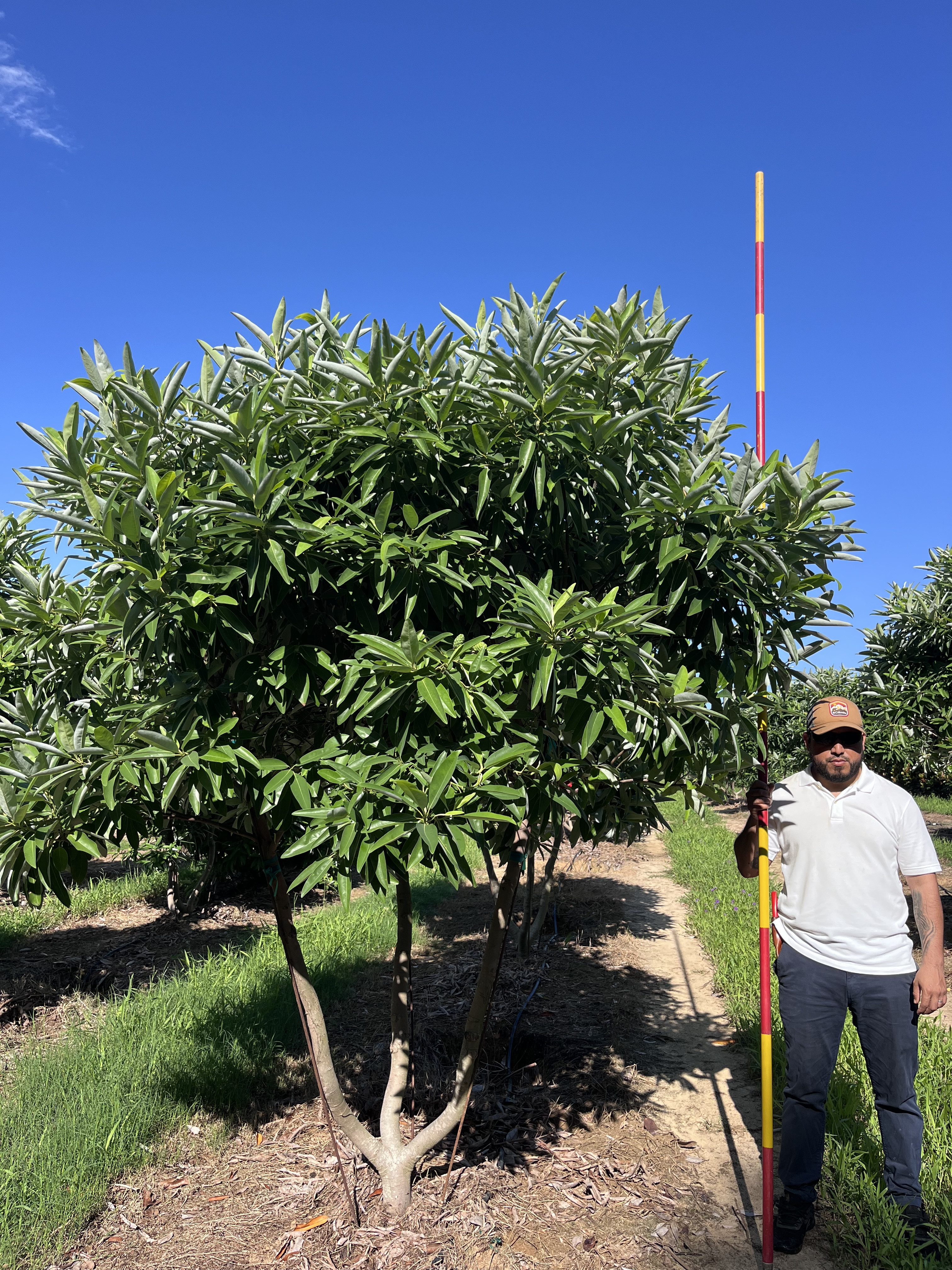
Magnolia virginiana var. australis ‘Perry Paige’ PP 17814 (Multi-Stem)
Sweet Thing™ Sweetbay Magnolia
View Detail
New Form for 2025…Sweet Thing ® was discovered by Tennessee nurseryman George Dodson in a block of seedlings that were planted in 1990 at his Sleepy Hollow Nursery in McMinnville, TN. While all the other Sweet Bay Magnolias in the block were growing to 15 feet, the Sweet...
Show moreView Detail

Merrill Loebner Magnolia (Magnolia loebneri Merrill) is a superlative small, flowering tree. Stunning in bloom; vibrant and trouble free through the growing season. Ghostly gray bark and furry flower buds provide winter interest. Its brilliant white flowers are one of the harbingers of spring, appearing...
View Detail
Our native Osmanthus, known as Devilwood because of the difficulty in working the wood, is the one of the best native examples of treeform evergreen, a niche often represented by the non-native Fragrant Tea Olive or Burford Holly. Seedlings can tend to be semi-evergreen, but...
View Detail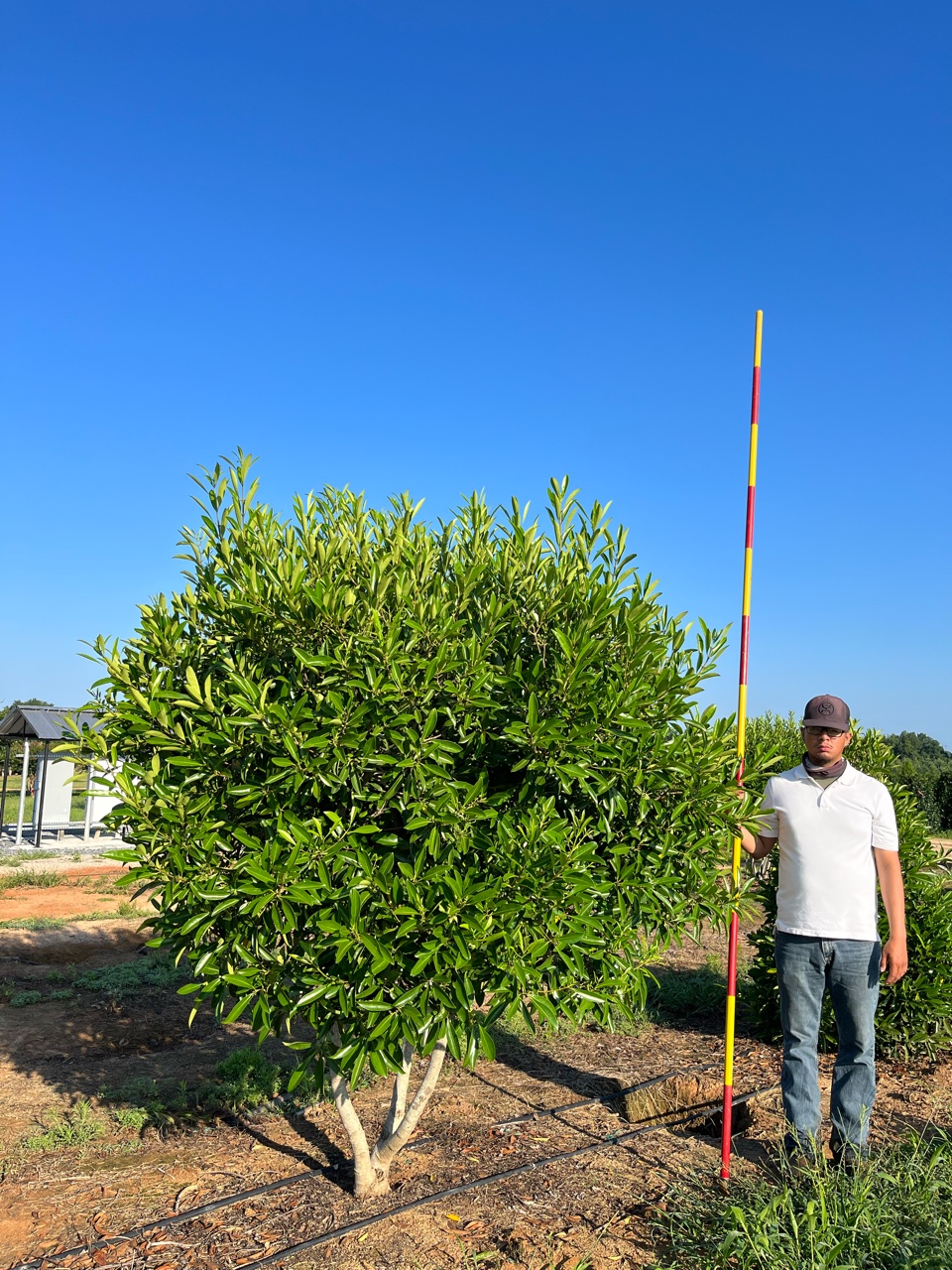
Our native Osmanthus, known as Devilwood because of the difficulty in working the wood, is the one of the best native examples of treeform evergreen, a niche often represented by the non-native Fragrant Tea Olive or Burford Holly. Seedlings can tend to be semi-evergreen, but...
Show moreView Detail
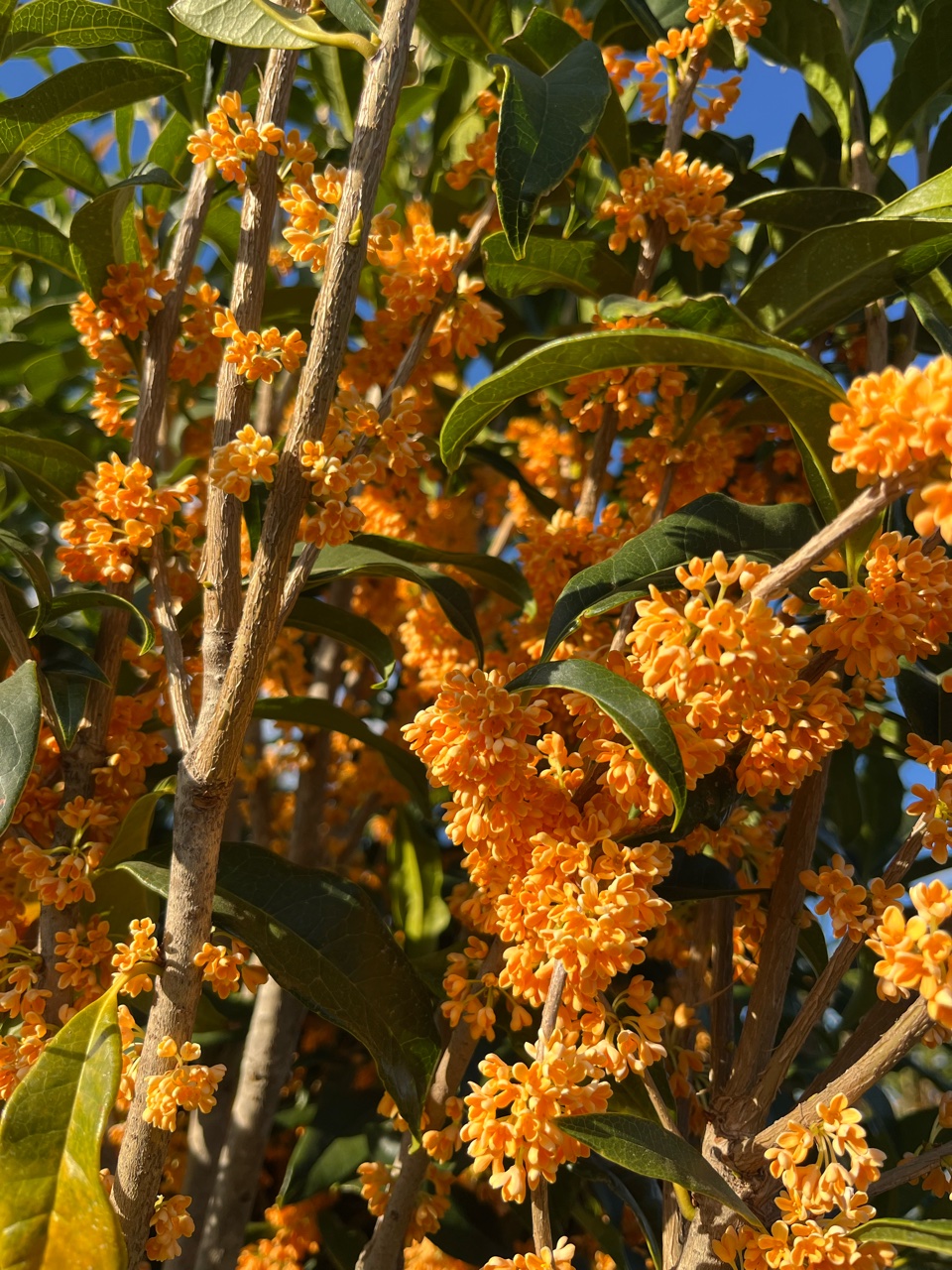
Orange Flowering Fragrant Tea Olive is known for its powerful apricot scent when in bloom, producing clusters of bright tangerine colored flowers in the Fall and leaving a year round dark green leathery foliage. It's dense, upright oval to columnar growth habit makes it an...
Show moreView Detail

"Gulftide' Osmanthus (lets call it what it is!) has been an evergreen staple for Mid-Atlantic and coastal New England gardens for years. Being incredibly cold hardy and heat tolerant, 'Gulftide' can be grown as a large shrub or small tree. As a shrub, its dense...
View Detail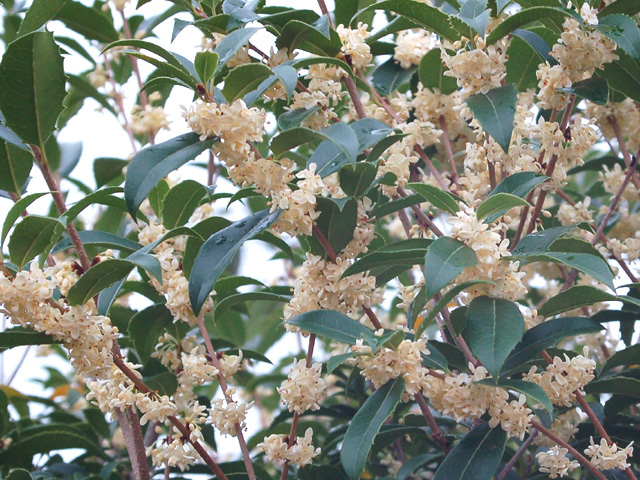
Fruitlandii is a variation on the Fortune's Osmanthus theme (Osmanthus x fortunei). The leaves are smaller, medium green, and with more defined serrations and deeper sinuses along the leaf margin (giving it more visual texture). Otherwise proceed as normal: situate Fruitland Fortune's Osmanthus in full...
Show moreView Detail

Osmanthus x fortunei 'Patty's Secret' is a fragrant fall blooming evergreen and an ideal plant used for screening, accent, and in large containers. Patty's Secret' has very dark green foliage. Autumn evenings are enchanted by the fragrance of the delicate white flowers. Prune into a...
Show moreView Detail

Osmanthus x fortunei 'Patty's Secret' is a fragrant fall blooming evergreen and an ideal plant used for screening, accent, and in large containers. Patty's Secret' has very dark green foliage. Autumn evenings are enchanted by the fragrance of the delicate white flowers. Prune into a...
Show moreView Detail

Green Giant Photinia is an impressive broadleaf evergreen tree selected by Michael A. Dirr from the UGA campus in Athens, Georgia. Robust oval outline is packed full of clean handsome foliage which thrives in very hot places. Large evergreen privacy screen used in groupings or...
Show moreView Detail